
Somali people are part of Minnesota's story
As people of faith, we are called to speak clearly when the dignity of our neighbors is under attack. Recent statements by the President about Somali immigrants in Minnesota compel such a response—not from a place of partisanship, but from a place of scriptural and moral conviction.
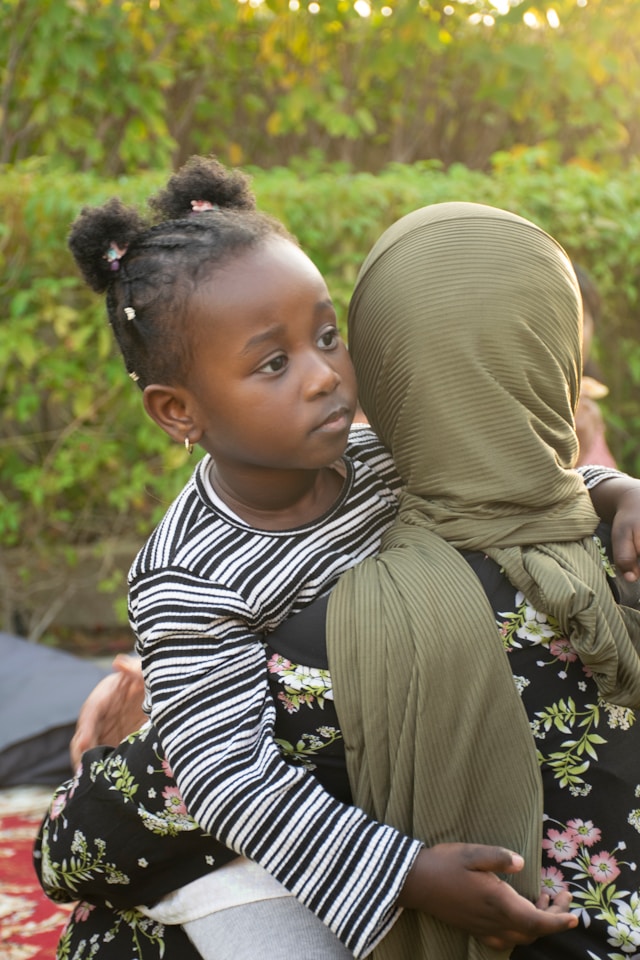
Somali people have been part of Minnesota's story for nearly thirty years. They are our coworkers, health-care providers, business owners, students, and educators. The majority are U.S. citizens either by birth or naturalization. Many Somali Minnesotans serve as elected officials at the federal, state, and local levels. All are woven into the fabric of our communities and contribute meaningfully to the civic, cultural, and economic life of this state we share.
Across the Abrahamic traditions—Judaism, Christianity, and Islam—we are taught that every person is created in the image of God, deserving of honor and protection. We are instructed to love the stranger, to guard our tongues from harm, and to stand with the vulnerable. Hateful or dehumanizing language directed at entire communities violates these sacred teachings.
Therefore, we reject rhetoric that diminishes the humanity of Somali Minnesotans, and we call on all people of faith to do the same. Our scriptures do not allow us to remain silent when our neighbors are maligned. Instead, they call us to defend the dignity of every person and to build a Minnesota where all can flourish in safety and mutual respect.
The Minnesota Council of Churches remains committed to fostering healing, understanding, and neighborliness in our public life. May our words and actions reflect the love and justice that our faiths require.

Elder Suzanne P. Kelly
CEO, Minnesota Council of Churches
(Photo by Tamirlan Maratov on Unsplash)